

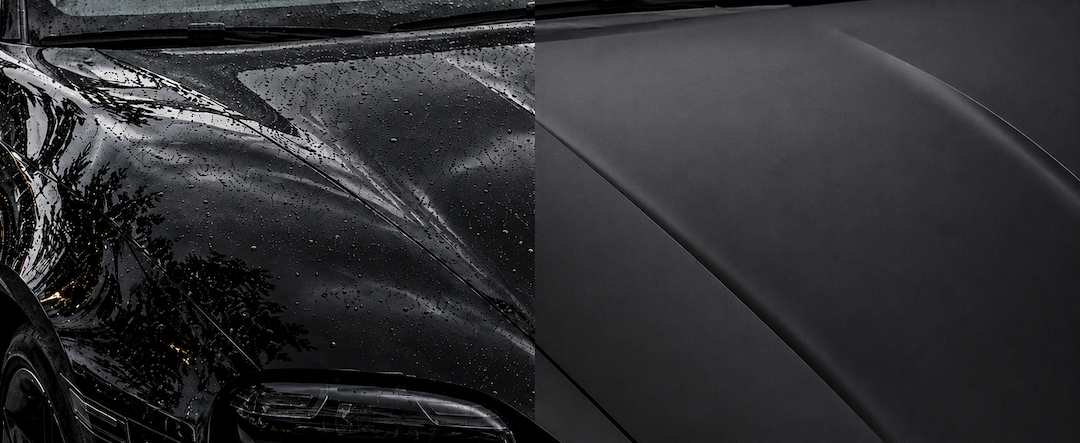
Clear coat is the top layer of factory automotive paint — it protects the color underneath from UV and physical wear, and gives the panel its final gloss or matte appearance. A complete touch-up repair includes clear coat matched to your factory finish. The destinations below cover the need for clear coat, which clear coat to use, and how to handle issues.
Quick Reference
If you're... | Read |
|---|---|
Wondering whether you need clear coat | |
Trying to repair a matte finish like a motorcycle | |
Activating or applying 2K aerosol clear coat | |
Seeing cracks or spider-webbing in your clear | Aerosol Clear Coat Cracking (Spider-Webbing or Hairline Cracks) |
Considering another brand of clear coat | Can I Use Other Brand Primers and Clears with ScratchesHappen Paint? |
Looking up 1K flash, dry, or cure times | |
Working on aerosol spray technique |
You Need to Apply Clear Coat
Clear coat does two important jobs: it protects the color underneath from UV, chemicals, and physical wear, and it creates the final gloss or matte appearance that matches your factory panel.
→ Is It Necessary to Use Clear Coat?
Glossy or Matte
Most factory body panels are glossy. Matte clear coat is rarer — used mostly on motorcycles and a small number of vehicle models, and occasionally on bumpers or lower body cladding. Matte and gloss are different formulations with different application rules (importantly, matte clear coat cannot be wet sanded). Your kit ships with the right clear coat for your paint code automatically.
Using 2K Aerosol Clear Coat
2K aerosol clear coat is a two-component product — a hardener sealed inside the can has to be activated before use, after which you have 48 hours to spray. 2K cures harder than 1K, which makes it the right choice for larger repairs or surfaces that see harsh conditions (fuel exposure, intense UV, road chemicals, waterline). The activation step has a specific procedure that's worth reading before you start.
→ How to Use 2K Aerosol Clear Coat
When Clear Coat Cracks
Cracked or spider-webbed clear coat — a network of fine hairline cracks visible on the surface — is almost always caused by application or environmental conditions during curing rather than by product defects. It can appear right after application or weeks later when temperatures change. Repair is straightforward but requires sanding out the cracks before re-coating, and the right approach depends on the cause.
→ Aerosol Clear Coat Cracking (Spider-Webbing or Hairline Cracks)
FAQ
Does my kit include clear coat?
Essential, Preferred, and Complete kits include clear coat matched to your paint code's factory finish.
Which clear coat product should I use — bottle, 1K aerosol, or 2K aerosol?
It depends on the size and conditions of your repair. Bottle clear is for spot repairs on chips and small scratches. Aerosol is for larger areas. 1K aerosol is the standard choice for most repairs; 2K aerosol is for cases that need maximum durability (larger panels, surfaces exposed to fuel or chemicals, intense UV).
Does clear coat affect color match?
Clear coat is, as the name suggests, clear — it doesn't change how the color reads underneath. It does affect appearance in one specific way: gloss vs. matte clear changes how light reflects off the surface, which can change how vivid the color looks. That gloss level is matched automatically based on your paint code.
Will clear coat hide a scratch in my paint?
No — clear coat is the top layer; it doesn't fill or hide damage in the color underneath. A scratch through the color needs base color repair first.
Clear coat is the protective final step that goes over the color coat layers.
How long should I wait between base color and clear coat?
It depends on temperature and humidity at your work site. See Drying Time Summary for flash, dry, and recoat windows for your kit's 1K products.
For 2K timing, see the 2K Aerosol Clear Coat article.