

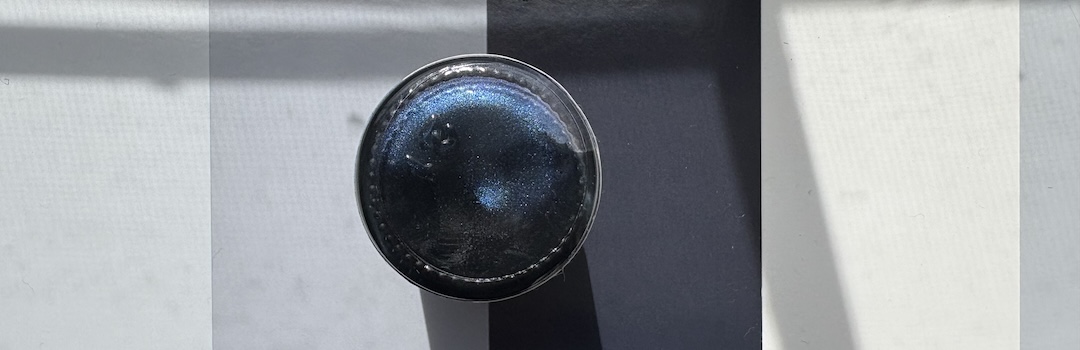
The cast comes from unevaporated solvents and disappears as the paint dries (about 10 minutes per coat). Verify by painting the test card, drying it, and clear-coating before comparing to your car. The full list of color → wet appearance pairs is in the table below.
Quick Reference: How Wet Paint Looks vs. How It Dries
Color you ordered | Looks like this when wet | Dries to |
|---|---|---|
Black | Blue or green | Black |
Beige | Grey or silverish | Beige |
Gold | Silver | Gold |
Grey | Blue | Grey |
Silver | Silvery-blue | Silver |
Light colors (whites, pale beiges) | Subtle cast, less visible | Correct color |
The exact cast varies by formula — some blacks lean blue, others lean green; some beiges read grey, others closer to silver. All resolve to the correct color as the paint dries.
This phenomenon is especially noticeable with Harley-Davidson Vivid Black, which can look distinctly blue while wet — that's normal, and it dries to its correct deep-black factory finish.
Why Wet Paint Looks Off-Color
ScratchesHappen base color paints are waterborne. While wet, they contain a mix of water carrier and unevaporated solvents that scatter light differently than the dry pigment will. The visible result is a noticeable cast that shifts toward the target color as the paint dries.
The cast is most visible on darker and more muted colors. Lighter colors (whites, very pale beiges) show less of an effect because the underlying pigment dominates the visual even while wet.
The effect can be visible at several points:
In the bottle. When you open the bottle, the liquid can looks distinctly off from the label color. The bottle's wet appearance isn't a reliable indicator of the dried color.
In the aerosol cap. Our aerosol cans hold a small amount of paint inside the plastic cap — a deliberate feature of our filling process, so you can see the color of the paint inside the can. That paint is still in liquid form, so it shows the same wet cast and isn't an exact preview of the dried color.
On the test card while wet. Right after application, the wet film shows the cast. As it dries over 10 minutes or so, the color shifts toward the target.
On your vehicle while wet. Same effect when applied directly. The cast disappears as the paint dries.
In all of these cases, the resolution is the same: wait for the paint to dry.
How to Verify Your Color Is Correct
The test card is the definitive check. Don't try to evaluate the color from the bottle or the wet paint — work through the test card procedure and compare the dried, clear-coated color to your vehicle.
Paint the test card. Apply your base color in multiple thin coats, the same way you'd apply to your car. The wet paint will show the cast — that's expected.
Let each coat dry. About 10-15 minutes per coat. As each coat dries, you'll see the color shift toward the target. A small fan blowing across (not directly at) the test card helps it flash off faster.
Apply additional coats as needed. Most colors need 2–4 coats for full coverage; transparent colors may need 4–5.
Apply clear coat over the dried color. The final color isn't established until the clear coat is on top to reflect light the same way the factory finish does.
Hold the dried, clear-coated test card against your vehicle. Compare in natural daylight if possible. The colors should match.
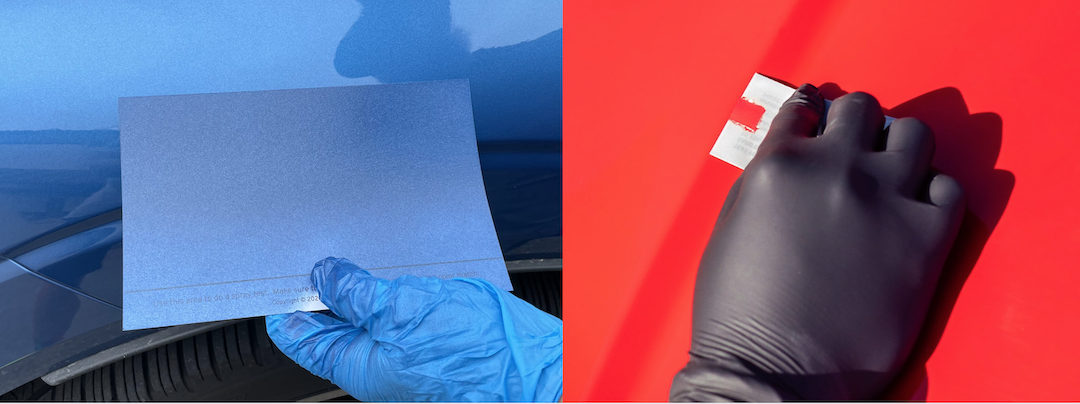
See How can I tell if I have purchased the right touch up paint color? for the full verification procedure.
When to Be Concerned
If the test card is fully dried, clear-coated, and held against your car in daylight, and the color still doesn't match, the issue is no longer the wet-paint cast. Contact Support with photos of the test card next to your vehicle, taken in natural daylight. We'll help diagnose.
You're also covered by our Color Match Guarantee.
FAQ
Why does my paint look like a different color in the bottle?
Waterborne paints contain solvents that scatter light while liquid, producing a cast that's especially visible on darker and more muted colors. Blacks can look blue or green; beiges, grey; golds, silver. The paint will dry to the correct color once applied. The bottle itself isn't a reliable color indicator — the test card is.
How long until the cast disappears?
About 10-15 minutes per coat, depending on temperature and humidity. The color shifts toward the target as the paint dries. After full drying, the wet-cast effect is gone.
Does this affect every color?
Many colors show some wet-cast effect, though it's most visible on darker and more muted colors (see the Quick Reference table above). Light colors (whites, pale beiges) show it least because the underlying pigment dominates the visual even while wet.
Does the clear coat affect the final color?
The clear coat doesn't change the base color, but it does change the finish — bringing depth and gloss (for glossy finishes) that make the color read truer. For verification purposes, always compare the dried and clear-coated test card to your vehicle, not the dried-but-uncoated base.